In the face of a worsening climate crisis, the world urgently needs advanced tools to model, monitor, and optimize massive systems like power grids, supply chains, and weather patterns. Advanced computational systems are uniquely qualified for this task, offering the foresight and precision required to drive sustainable change.
However, this powerful technology comes with a rapidly escalating and often unseen cost: a massive appetite for electricity, water, and specialized materials. This creates a critical paradox: the very tool required to save the planet is also contributing to the problem. Understanding the true environmental impact requires breaking down the ledger: the substantial cost of computation versus the profound benefits of optimization.
The Cost of Computation: Energy and Materials
The computational systems that power modern smart applications are not ethereal; they require immense physical infrastructure that consumes vast amounts of energy and rare earth metals.
The Energy Drain of Training
The largest and most carbon-intensive phase of a computational system's life is its initial training.
Massive Power Consumption: Training a single, state-of-the-art large model requires running thousands of specialized processing chips (GPUs) continuously for weeks or even months. The energy used in training one major model can easily equate to the lifetime carbon footprint of five cars, or the annual energy consumption of dozens of homes. This consumption is driven by the need to feed the system trillions of data points to ensure accuracy and capability.
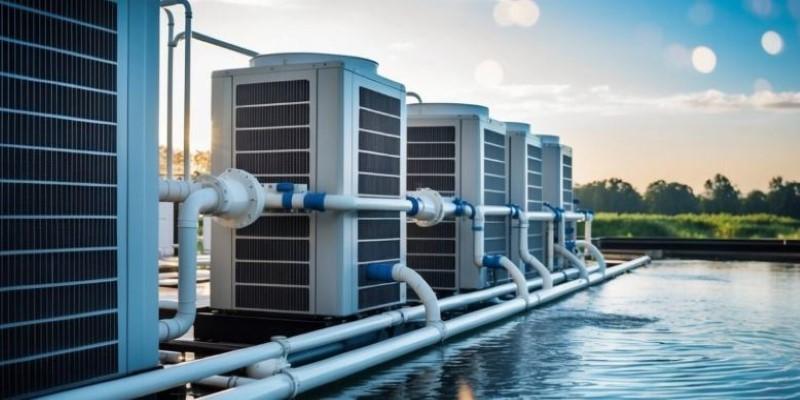
Water Use for Cooling: Data centers—the physical homes of these systems—generate extreme heat. To prevent hardware failure, they require massive cooling infrastructure, often consuming millions of gallons of water per day for evaporative cooling processes. This resource drain is increasingly problematic in drought-prone regions where data centers are often located.
Hardware and E-Waste
The physical infrastructure itself poses a serious sustainability problem.
Material and Scarcity: Computational hardware relies on specialized components built from rare earth minerals like lithium, cobalt, and gold. The mining and processing of these materials are environmentally costly and geographically concentrated.
Rapid Obsolescence: The hardware powering these systems is quickly rendered obsolete as newer, more powerful chips are released every year. This rapid turnover leads to a massive amount of electronic waste (e-waste) that is difficult and costly to recycle responsibly. The waste problem is exacerbated by the fact that many organizations seek the latest, most powerful chips to maintain a competitive edge.
The Benefit of Optimization: Efficiency and Foresight
Despite the cost, computational systems provide the most powerful tools available for achieving the massive efficiency gains necessary to combat climate change and resource waste.
Grid Management and Energy Efficiency
Systems are already drastically cutting energy waste in the utility sector.
Smart Grid Balancing: Systems analyze data from millions of sensors to predict energy demand minute-by-minute across a geographical area. They dynamically balance power input from traditional sources with intermittent renewables (solar and wind), ensuring grid stability while minimizing the waste from overproduction. This capability is essential for increasing the proportion of renewable energy a grid can reliably handle.
Optimized Building HVAC: In commercial buildings, systems analyze occupancy levels, external temperature, and past usage patterns to dynamically adjust heating and cooling (HVAC). By operating only where and when necessary, systems can cut the energy consumption of large buildings by 10% to 30%.
Climate Modeling and Research
The unique capability of these systems to handle vast, complex, non-linear data is transforming climate research.
Advanced Prediction: Systems use deep learning to analyze trillions of data points from satellites, oceanic sensors, and historical weather records. They run highly complex, next-generation climate models with greater speed and accuracy than ever before, providing crucial foresight on everything from sea-level rise to extreme weather patterns.
Disaster Response Optimization: When a natural disaster strikes, systems analyze real-time data to optimize the logistics of emergency response—calculating the most efficient delivery routes for aid, predicting resource needs, and assessing infrastructure damage instantly.
The Path to Sustainable Computation
Mitigating the environmental costs of these powerful tools requires a systemic shift in how they are developed and deployed.
Hardware and Algorithmic Efficiency
The focus must shift from simply building bigger models to building smarter, more efficient ones.
Smarter Training: Researchers are developing new methods that require less data and fewer training cycles to achieve the same or better performance. Efficiency is becoming a competitive advantage.
Sustainable Hardware: Cloud computing providers are rapidly shifting their data centers to run entirely on renewable energy sources (solar, wind, geothermal). This commitment drastically reduces the carbon footprint of both training and continuous operation.

Strategic Deployment and Governance
Deployment must be prioritized where the environmental and societal returns are highest.
Net-Positive Use Cases: Organizations must apply a "carbon ledger" test, ensuring that the energy spent to develop and run a system is outweighed by the energy or resource savings the system delivers. Using a system to manage a national power grid is clearly net-positive; generating frivolous video content may not be.
Circular Economy for Hardware: Governments and developers must invest in better recycling infrastructure and commit to designing hardware that is easier to repair and reuse, extending the life of components and mitigating the e-waste problem.
Conclusion
The environmental impact of advanced computational systems is a complex, two-sided equation. The massive energy demands and material costs of training and housing this technology are real and cannot be ignored. Yet, the systems’ unique ability to drive efficiency in global infrastructure, optimize energy use, and provide crucial climate foresight is non-negotiable for a sustainable future.
The challenge for regulators and industry leaders is to demand accountability for the consumption (pushing data centers onto green energy) while strategically deploying the technology where it yields the maximum net-positive environmental benefit. Managing the carbon calculation is the first, critical step toward a truly smart and sustainable world.