People's interactions with websites and apps have undergone significant changes. People today want experiences that are smooth, quick, and responsive. HTTP and other traditional communication methods are useful, but they often struggle to handle frequent updates. In today's real-time world, waiting for data or refreshing pages already feels outdated. That is where WebSockets are quite useful. They enable real-time client-server communication, allowing data to flow instantly between connected systems.
WebSockets are the technology behind many of the things people use every day, such as chat apps, multiplayer games, financial dashboards, and collaborative tools that enable real-time work. They reduce wait times, save money, and create experiences that are more participatory and feel authentic. We'll explore how WebSockets work, their uses, challenges, and their impact on modern communication.
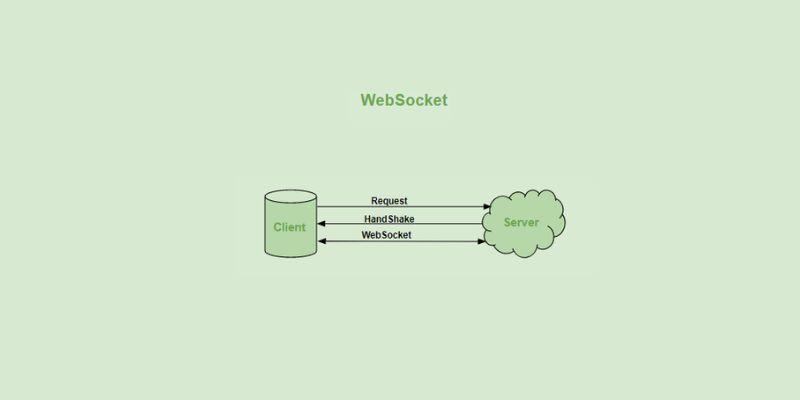
How WebSockets Work
WebSockets enable persistent client-server communication, allowing two computers to exchange data seamlessly. The process begins when the client sends a request to the server. If the server accepts, the connection is improved, making a direct path for communication. This line stays open until one party closes it, unlike ephemeral channels. Messages are divided into small frames that move swiftly over the connection. These frames can contain either text or binary data, making the protocol useful for a wide range of situations.
Since the connection remains open, both sides can share information immediately. The design reduces waste and ensures that connected systems function effectively together. The technology allows information to flow continuously without the interruptions that occur with older forms of communication. Developers use this strategy because it gives them a dependable, event-driven way to handle interactions. WebSockets are a crucial component of many interactive systems that require constant, uninterrupted data transfers.
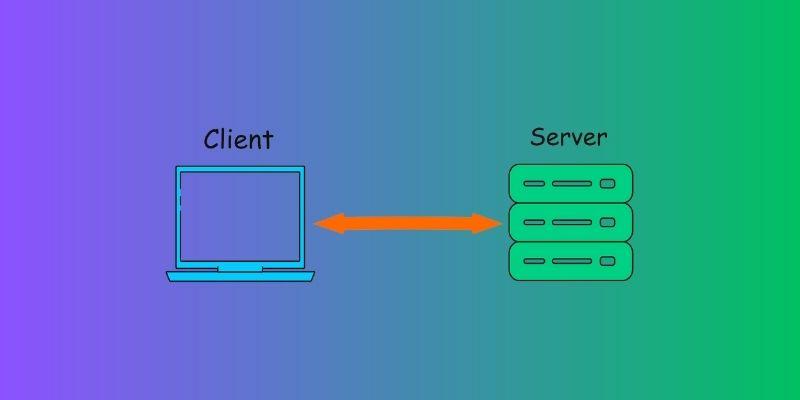
WebSockets vs Traditional HTTP Methods
A single request and a single answer make up traditional online communication. The connection usually ends after delivery, thus you have to send new requests for further information every time. When a program needs to be updated frequently, this can lead to unnecessary repetition. Polling strategies try to fill this gap by sending requests on a timetable, but they make the network busier. Long-polling is another method that keeps a request open until the server responds, but it still causes delays and uses up resources.
Server-Sent Events allow the server to send updates to the client, but they are limited because communication is one-way. WebSockets work differently since they don't need constant requests and responses. Once they are turned on, they allow people to communicate with each other continuously, sending data as soon as it becomes accessible. WebSockets are far more efficient and responsive than older techniques because of this fundamental difference.
Use Cases for WebSockets in Real-Time Applications
WebSockets are great when data needs to be transferred quickly and constantly across systems. One such example is online chat systems, where users want their messages to be delivered right away on all their devices. The technology is also good for multiplayer games because it needs to sync player actions and game information quickly. In the financial sector, platforms utilize WebSockets to deliver real-time updates on stock prices.
The protocol ensures that everyone in an online classroom or digital collaboration platform sees the same content simultaneously. WebSockets are utilized by healthcare apps to monitor patient data streams in real-time, ensuring that medical professionals always have the most up-to-date and accurate information. WebSockets are often utilized in Internet of Things (IoT) networks to enhance communication between devices and servers, thereby increasing efficiency and reducing latency in control and reporting operations. Even online stores use this technology to display when products are in stock or to track orders.
Performance, Scalability, and Limitations
WebSockets are efficient because they minimize overhead and send responses quickly. By keeping one channel open, communication is not hindered by the delays that occur when connections are repeatedly opened and closed. However, it can be challenging for a system to handle dozens or even millions of open channels simultaneously. To minimize overload, servers need precise planning for how to use, cluster, and distribute resources. To support a large number of users without slowing down, scalability becomes crucial.
Another issue is that the protocol may fail with strict networks or outdated software. Another thing to think about is safety. If you don't use the right encryption, your messages could be intercepted or changed. To mitigate the risk, developers should utilize secure versions of the protocol and adhere to strict authentication protocols. These limits underscore the importance of careful planning before taking action. WebSockets work great and are quite reliable when set up correctly. They also work well with real-world systems that require a large amount of data and are highly interactive.
Designing a Real-Time Messaging System with WebSockets
When creating a messaging system using WebSockets, consider its structure, reliability, and user-friendliness. The architecture generally employs an event-driven approach, in which specific occurrences trigger actions between the client and server. Lightweight frames carry messages, ensuring that communication is quick, even in high-traffic situations. Developers often implement layers, such as authentication services, to ensure that only authorized individuals can join discussions.
Adding reconnect techniques makes the system more reliable, as they enable the client to recover smoothly in the event of a connection loss. To make the system work for a large number of people, you often need message brokers and a distributed infrastructure, which spreads traffic equitably. Monitoring and logging tools help detect unusual trends, keeping the system stable and reliable. Security is very important; encrypted channels prevent unauthorized access to your data and prevent it from being leaked.
Conclusion
WebSockets have changed how clients and servers communicate by enabling them to send and receive data continuously. They eliminate the problems associated with old ways, allowing apps to send quick updates and make interactions smooth. WebSockets enhance and enrich digital experiences, from gaming and chat platforms to financial tools and IoT systems. Best practices ensure that performance remains consistently good, even when issues arise with scalability and security. WebSockets remain a crucial component of modern communication, as they are widely used and well-supported by browsers. They empower developers to build apps that meet today's demand for speed, interactivity, and engagement.