Memes are how the internet talks. They're fast, funny, and often say more in one image than a paragraph ever could. Until recently, making memes meant finding the right template or editing a photo. Now, there’s another way: generate them from scratch using AI.
With DALL·E Mini, a free text-to-image tool, you can describe an idea and watch it turn into a weird, often hilarious image in seconds. It doesn’t require design skills or paid software. Just type, wait, and post. If you’ve ever had a meme idea but no photo to match, this is the tool for you.
What Is DALL·E Mini and Why Use It for Memes?
DALL·E Mini, now widely recognized as Craiyon, is an AI tool that creates images from short text prompts. Type in something like “squirrel taking a math test” and it’ll give you nine image versions in about half a minute. It’s not meant to produce clean or photo-realistic results—its strength is in how strange, distorted, and unexpected the outcomes can be. That chaotic edge is exactly what makes it perfect for memes.
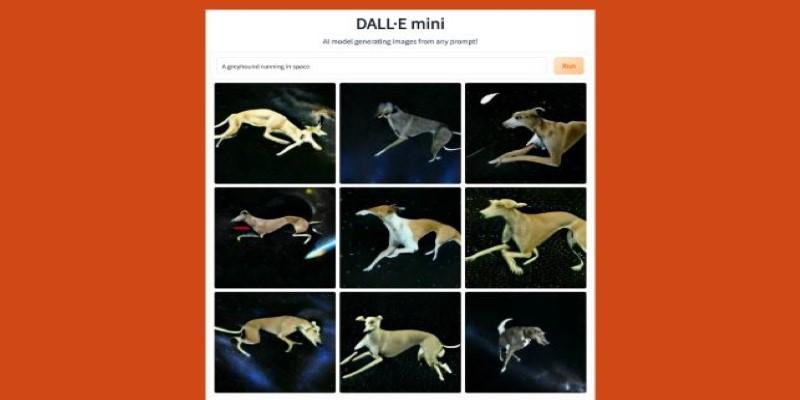
The images often look off in a funny way. Objects might blend together, faces might look odd, and scenes might seem bizarre. But for meme-making, this unpredictability adds charm. Traditional meme templates come with built-in expectations. DALL·E Mini gives you something no one's seen before, which makes the humor feel fresher. You aren't editing someone else's work—you're creating from the ground up.
AI-generated memes are also more flexible. If your joke is about a cat being a bossy roommate, you don’t have to find a close-enough stock photo. Just tell the AI exactly what you want. This opens the door to concepts that would be hard—or impossible—to find online.
Step-by-Step: How to Make a Meme With DALL·E Mini?
To get started, go to the Craiyon website. The interface is simple: one box, one button. That’s all you need. In the box, type a description of what you want to see. The more visual your prompt, the better. Instead of writing “Monday mood,” be more direct: “sloth drinking coffee at a work desk.” That helps the AI understand the scene you want.
After generating, you'll get a grid of nine images. Most of them will be strange. Some may be too abstract, but usually at least one will stand out. If none work, adjust your prompt slightly. Try changing one detail at a time—like swapping “sloth” for “cat” or “coffee” for “energy drink.” Small edits can give very different results.
Once you find an image you like, save it. Some people post them without any text, letting the odd visuals do the job. Others prefer adding a caption using tools like Canva or basic photo editors. A strong caption helps tie the image to a relatable feeling or moment. Often, the contrast between the strange image and a real-life emotion is what makes it funny.
After editing, you can post it wherever you want. Reddit, group chats, Instagram—anywhere memes are shared. Since the content is original, it feels fresher than using recycled formats.
Making the Most of AI-Generated Content
The process flips the usual meme-making routine. Instead of finding an image first and then writing a joke, you write the idea and generate an image to match. This change gives you more freedom to create weird or niche memes that wouldn’t work in standard formats.
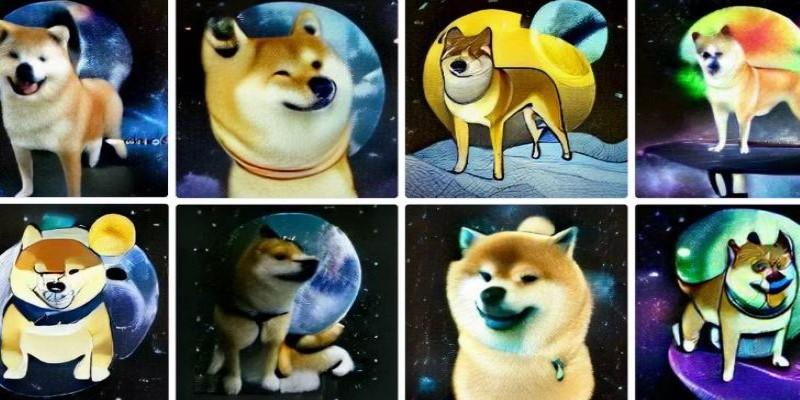
The best prompts are often the ones that combine unrelated ideas. “Lobster at a job interview” or “grandma skateboarding through space” work well because they’re unexpected. The AI mixes those ideas into surreal images that can be funny on their own—or even funnier with the right caption.
If your meme depends on a specific theme or reference, include it in the prompt. While DALL·E Mini isn’t always accurate with faces or logos, it often captures the concept. Just don’t expect perfect detail. The tool works best when you lean into its oddness instead of fighting it.
The distorted results can make the memes more interesting. Glitches and strange shapes often add humor by exaggerating emotions or making things look unintentionally wild. Instead of cleaning that up, let it work for you.
You don’t need to be a designer or artist to use this. The tool is free, and no download is required. This makes it easy for anyone to start creating memes without needing Photoshop or illustration skills.
Over time, you’ll get better at writing prompts. You’ll figure out what types of phrases create clearer images, and which ones lead to surreal, messy fun. This learning curve is short and kind of addictive. Once you start, it’s easy to keep going.
Why DALL·E Mini Memes Are Worth Your Time?
Making memes with DALL·E Mini gives you something new every time. No two people will write the same prompt or get the same results. That sets it apart from the recycled meme templates that have been circulating for years.
The odd look of the images, combined with the humor of a sharp caption, creates great content. These memes feel personal. They’re built from your own ideas, not borrowed from existing formats. Whether you’re posting for laughs or running a meme page, it’s a way to keep content fresh.
You're not reusing someone else's joke—you're creating from scratch with AI. It's fast, free, and fun to use. The randomness adds humor that you couldn't plan, even if you tried. It's not about polish; it's about unpredictability and personality.
Next time you think of a funny situation and need a picture, try DALL·E Mini. Type it out, see what appears, and let the weirdness shape your meme. You might end up with something strange—or surprisingly perfect.
Conclusion
Creating AI-generated memes with DALL·E Mini is a fun way to turn strange or witty ideas into unique images. You don’t need design skills—just type a prompt and let the AI generate visuals that are odd, imperfect, and often hilarious. The charm lies in the randomness, where your creativity meets the machine’s quirks. It’s fast, original, and addictive, making meme-making more accessible and entertaining than ever.